
Hindustani Classical Music is a deeply structured and systematic tradition. While ragas are the soul of this music, Thaats form their theoretical framework that helps us understand, classify, and organize those ragas. For any serious learner of Indian classical music, understanding the 10 thaats is an essential step.
This blog explains what thaats are, why they are important, and how each of the 10 thaats contributes to the vast raga system of Hindustani Classical Music.
What Is a Thaat?
A thaat is a parent scale consisting of seven swaras (notes) arranged in ascending order (Sa Re Ga Ma Pa Dha Ni).
Each thaat uses:
- One Sa (Shadja)
- One Pa (Pancham)
- A specific combination of shuddha (natural), komal (flat), or teevra (sharp) swaras
Unlike ragas:
- Thaats are theoretical frameworks
- They do not have emotional rules, time theory, or specific phrases
- They are mainly used for classification and learning
Origin of the 10 Thaat System
The modern Thaat system was formalized by Pandit Vishnu Narayan Bhatkhande, one of the greatest musicologists of India.
He classified most Hindustani ragas under 10 primary thaats, making raga study more systematic and accessible.
Why Are Thaats Important?
Understanding Thaats helps musicians:
- Recognize raga structures quickly
- Understand swara relationships
- Improve raga identification
- Strengthen riyaaz with clarity
- Build a solid foundation before advanced raga practice
For beginners, thaats act as maps that guide them through the complex raga universe.
The 10 Thaats of Hindustani Classical Music
1. Bilawal Thaat
- All shuddha swaras
- Closest to the Western major scale
- Creates a bright, peaceful mood
Popular ragas: Bilawal, Alhaiya Bilawal, Durga
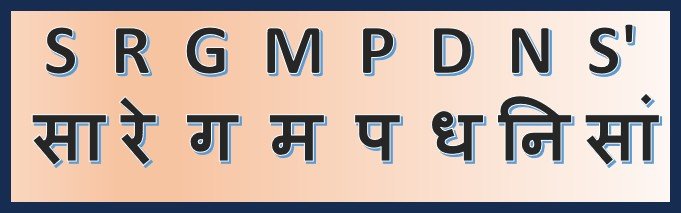
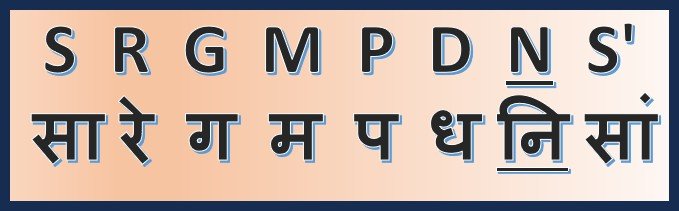
2. Khamaj Thaat
- Uses Komal Ni together with shuddha Ni and all other shuddha swaras
- Expresses romance and devotion
Popular ragas: Khamaj, Rageshree, Desh, Tilak Kamod
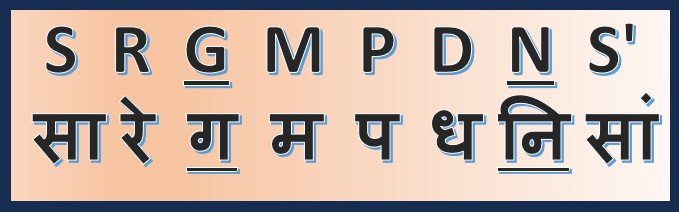
3. Kafi Thaat
- Uses Komal Ga and Komal Ni
- Folk-oriented and expressive
Popular ragas: Kafi, Bhimpalasi, Bageshree, Pilu
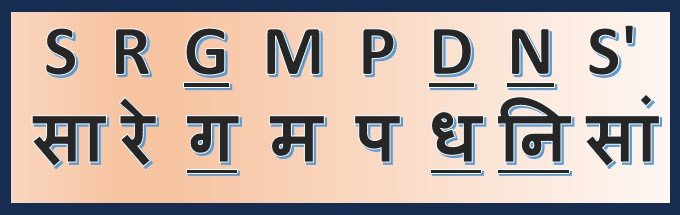
4. Asavari Thaat
- Uses Komal Ga, Komal Dha, Komal Ni
- Expresses pathos and seriousness
Popular ragas: Asavari, Jaunpuri, Darbari Kanada
5. Bhairav Thaat
- Uses Komal Re and Komal Dha
- Serious, spiritual, and introspective
Popular ragas: Bhairav, Ahir Bhairav
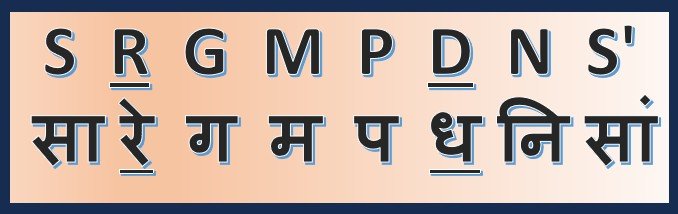
6. Bhairavi Thaat
- Uses all komal swaras except Ma
- Deeply emotional and concluding in nature
Popular ragas: Bhairavi, Malkauns, Bilaskhani Todi
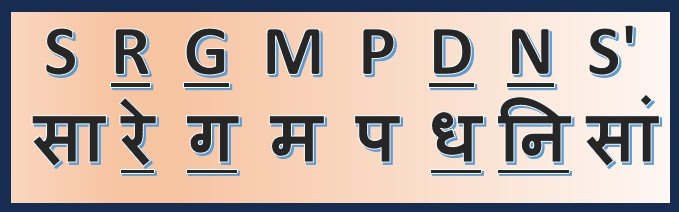
7. Kalyan Thaat
- Uses Teevra Ma
- Majestic and devotional in nature
Popular ragas: Yaman, Kedar, Hameer, Kamod
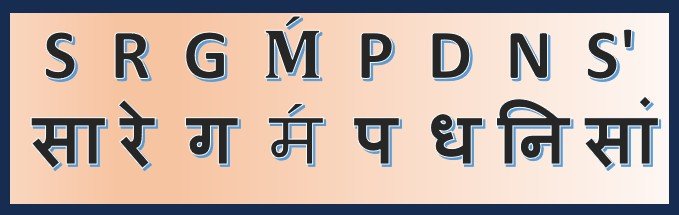
8. Marwa Thaat
- Uses Komal Re and Teevra Ma
- Evokes restlessness and anticipation
Popular ragas: Marwa, Pooriya
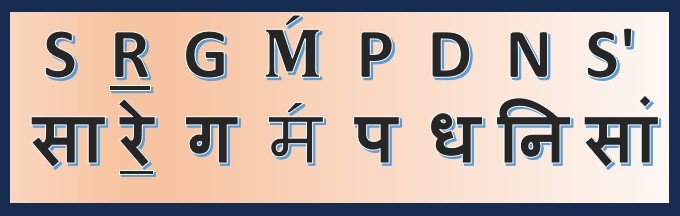
9. Poorvi Thaat
- Uses Komal Re, Komal Dha, and Teevra Ma
- Creates a tense yet meditative mood
Popular ragas: Poorvi, Puriya Dhanashree, Basant
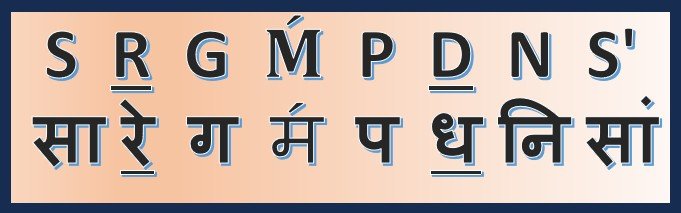
10. Todi Thaat
- Uses Komal Re, Komal Ga, Komal Dha, and Teevra Ma
- Highly emotional and introspective
Popular ragas: Todi, Multani
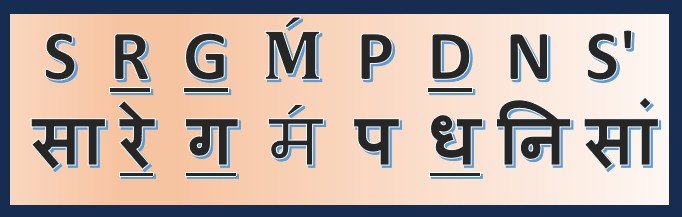
How to Practice Thaats in Riyaz
- Sing each thaat slowly with a Tanpura
- Focus on swara clarity and pitch stability
- Practice aaroh & avroh only, then simple phrases
- Relate ragas to their parent thaat
- Avoid singing thaats like ragas
This approach strengthens your understanding of raga grammar.
Conclusion
The 10 thaats are the backbone of Hindustani Classical Music theory. While ragas give emotional expression, thaats provide logical structure. A strong command over thaats makes raga learning faster, clearer, and more enjoyable.
For anyone beginning their journey in Hindustani Classical Music, mastering thaats is not optional—it is essential.

Leave a Reply